 Image 1 of 1
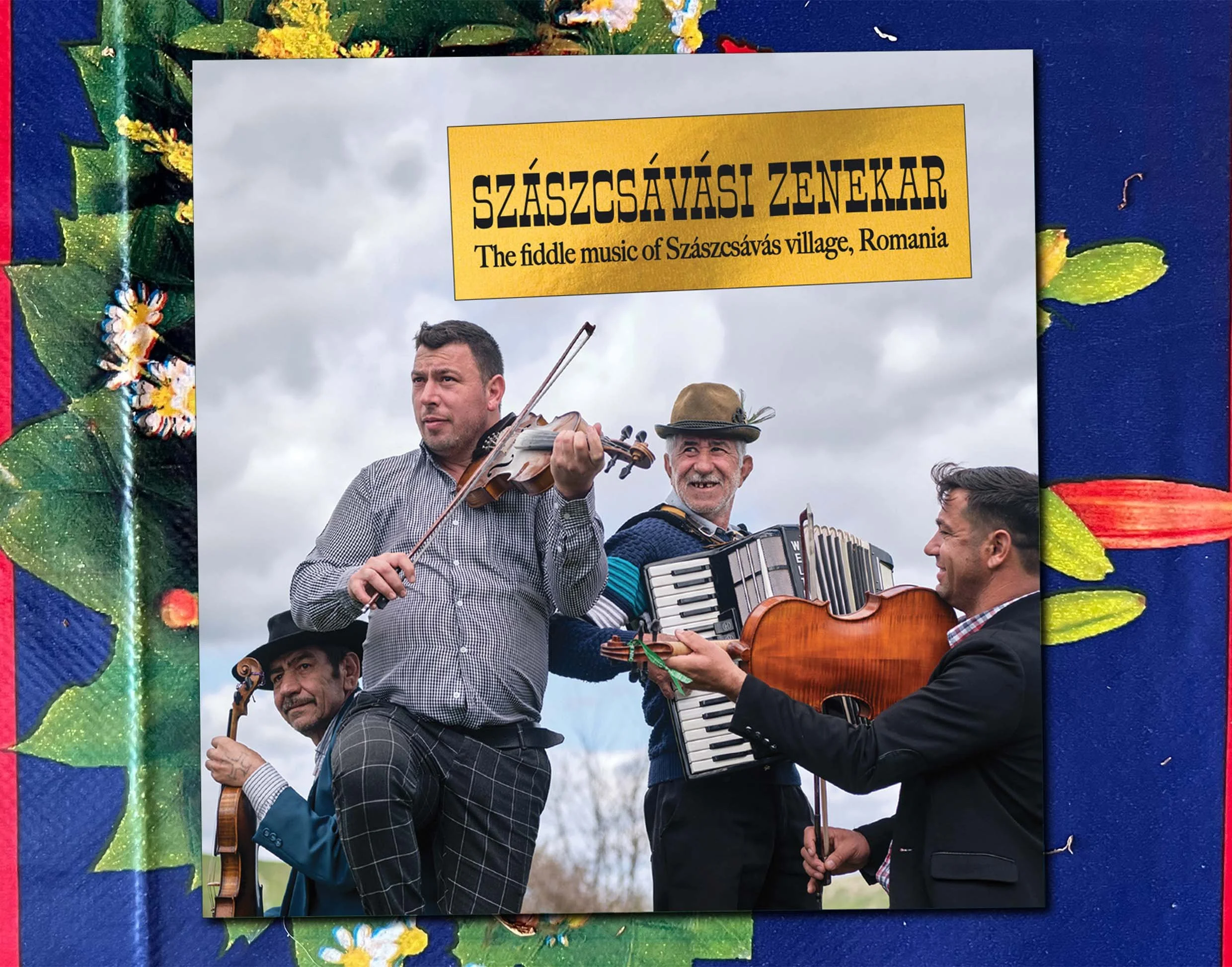
“Szászcsávás is a small Transylvanian village located in Mureș County, close to Târgu Mureș, with a population under 1,000. Despite its small size and remoteness, thanks to its traditional musicians and folk dances, the village has become an iconic figure of the Hungarian dance house movement. One of its unique features is that the Roma musicians of the village have been famous and frequently invited to play in the surrounding areas for many generations. In Szászcsávás, the Roma population lives in the village’s Roma row, locally referred to as "the army", where music used to be nearly the sole path for escaping poverty.
From the 1990’s onwards, many high-quality audio recordings were made featuring the village's musicians, which later appeared as albums and reached Hungary, where the dance house movement was already enjoying significant popularity. These recordings led to increasingly frequent invitations for the Szászcsávás musicians to perform in Hungary, and later Europe-wide, then extending to the U.S. and Japan. Currently, only a few older-generation musicians remain active, and one can see a clear generational shift.
Luckily, some of the old musicians took keeping the cultural heritage to their heart and taught their children and grandchildren to play, so the music goes on. What makes this CD different is exhibiting the younger generations’ modern style, including modern Romanian pop songs shaped to their way of playing, making them sound almost like classical Szászcsávás melodies.
The band members
Sándor Csányi, the last remaining fiddler of the Szászcsávás Band’s iconic lineup in the 2000’s, raised and taught two sons, Sanyika and Alin, who are now the violinist and violist of the band. They play accompanied by their relatives: Pál on the accordion and Levente on the double bass. A guest musician, Francisc joins the band as a second accordionist.”
Text: Tímea Németh